





Can Invisalign Fix Severe Alignment Issues?

Introduction
Clear aligner therapy has changed how orthodontic treatment is delivered, offering a more discreet option for tooth alignment. When considering Invisalign in Atlanta, many individuals question whether this option works only for minor adjustments or if it can correct significant alignment problems as well.
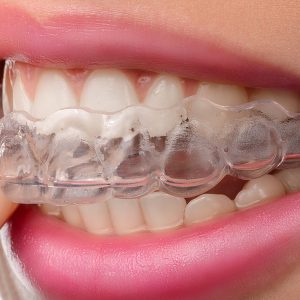
Invisalign makes use of a series of custom-made, removable aligners that slowly and gradually move teeth into the right position. While it is widely known for treating mild to moderate cases, advancements in technology and treatment planning have expanded its capabilities. A clear explanation of how Invisalign functions in complex cases supports informed decision-making for orthodontic care and helps patients better understand what outcomes are realistically achievable.
What Qualifies as a Severe Alignment Issue?
Severe alignment problems often include structural or functional concerns that affect how teeth fit together. These cases go beyond simple cosmetic adjustments and require careful planning.
Common examples include:
- Significant crowding where teeth overlap or rotate
- Large gaps between teeth
- Bite issues such as overbite, underbite, or crossbite
- Jaw alignment concerns affecting chewing or speech
These conditions affect both appearance and oral function. When left untreated, they may contribute to uneven wear, gum issues, jaw discomfort, or difficulty maintaining consistent oral hygiene over time.
How Invisalign Works for Complex Cases
Invisalign treatment uses digital imaging and advanced planning software to map out tooth movement step by step. Each aligner applies controlled force to specific teeth, moving them into alignment over time.
For more severe cases, additional techniques are often incorporated, including:
- Attachments are placed on teeth to improve the aligner grip
- Interproximal reduction to create space between teeth
- Precision planning to guide complex tooth movements
These enhancements expand Invisalign’s ability to address cases that were previously considered unsuitable for clear aligners. However, successful outcomes require consistent wear and proper case selection, along with close monitoring throughout the treatment process.
Can Invisalign Correct Severe Misalignment?
Invisalign effectively addresses many moderate to moderately severe alignment issues, especially when supported by detailed treatment planning. Patients with crowding, spacing, or certain bite concerns often achieve strong treatment outcomes using this approach.
However, not all severe cases can be fully corrected with aligners alone. Complex skeletal discrepancies or advanced bite problems can require alternative or combined treatments. In some situations, traditional braces or additional procedures are recommended to achieve optimal results and long-term stability.
A thorough evaluation by a dentist in Atlanta allows an accurate assessment of whether Invisalign is appropriate or if another treatment option would provide better outcomes based on individual needs.
When Invisalign May Not Be Enough
Invisalign has limitations in certain cases, particularly when:
- Tooth movement requires significant vertical adjustments
- Jaw alignment issues are present
- Teeth require rotation beyond the aligner’s capability
- Patient compliance is inconsistent
In these situations, other solutions are often more effective. Treatment planning should always prioritize long-term stability and function rather than convenience or appearance alone, especially in complex orthodontic cases.
Alternative Treatment Options for Severe Cases
When Invisalign alone is not sufficient, dentists often recommend other restorative or orthodontic solutions depending on the condition.
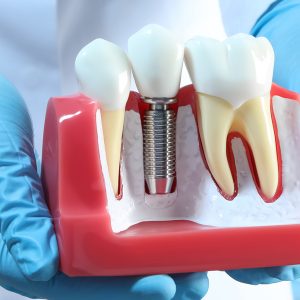
For example, missing or severely damaged teeth influence alignment and bite. In such cases, treatments like dental implants in Atlanta restore function and support proper alignment. Implants act as stable anchors, improving both aesthetics and structural balance.
Similarly, when teeth are missing or require replacement to maintain spacing, dental bridges in Atlanta are used to restore continuity and improve bite alignment. These solutions are often part of a broader treatment plan that addresses both alignment and restoration for long-term success.
Benefits of Choosing Invisalign When Appropriate
When Invisalign is suitable for a case, it provides several advantages compared to traditional braces:
- Clear, nearly invisible appearance
- Removable aligners for eating and cleaning
- Reduced irritation compared to brackets and wires
- Fewer in-office adjustments
These benefits make Invisalign an appealing option for adults and teens seeking a more discreet orthodontic solution while still achieving meaningful improvements in alignment.
Importance of Personalized Treatment Planning
Orthodontic treatment requires individualized planning. Each patient’s dental structure, bite, and overall oral health requires careful evaluation before recommending a solution.
Patients searching for a dentist near me gain better outcomes by choosing a provider who uses advanced imaging and customized planning to determine the most effective treatment approach. This ensures that both cosmetic and functional concerns are addressed appropriately.
A personalized plan establishes realistic expectations, outlining what Invisalign can achieve and whether additional treatments may be necessary for optimal results.
How Long Does Treatment Take for Severe Cases?
Treatment duration differs based on the complexity of the case. Mild alignment issues may take several months, while more advanced cases can require 18 to 24 months or longer.
Consistent aligner wear, typically 20 to 22 hours per day, is necessary to achieve desired results. Delays or inconsistent use may prolong treatment time and impact results.
Regular follow-up visits let the dentist monitor progress and make adjustments as needed to keep treatment on track and ensure each stage progresses as planned.
What Results Can You Expect?
Invisalign provides significant improvements in alignment, spacing, and overall smile aesthetics. Many patients gain both cosmetic and functional improvements, including improved bite and easier oral hygiene.
However, the final outcome varies based on the initial condition and the selected treatment approach. Clear communication with your dentist ensures expectations align with achievable results and helps avoid unnecessary delays or adjustments during treatment.
Conclusion: Is Invisalign Right for Severe Alignment Issues?
Invisalign now serves as a versatile orthodontic solution capable of addressing more than just minor alignment concerns. While it may not be suitable for every severe case, it effectively treats many moderate to complex conditions when guided by proper planning and patient commitment.
At 3640 Dental, treatment recommendations are based on careful evaluation, clinical expertise, and long-term oral health goals. Whether Invisalign or another approach is recommended, the focus remains on achieving stable, functional, and aesthetically balanced results that support long-term dental health.


