


How Sleep Apnea Affects Your Heart and Overall Health

Sleep plays a critical part in maintaining the body’s internal balance, including cardiovascular function, metabolism, and mental clarity. When normal breathing is disrupted during sleep, the body is forced to repeatedly compensate, which can gradually affect multiple systems. Sleep apnea is one such condition that interferes with breathing patterns and can have far-reaching effects beyond restlessness or fatigue.
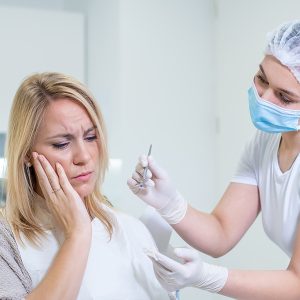
Many patients consulting a dentist in Smyrna are surprised to learn that sleep apnea is not only a sleep disorder but also a condition that can influence heart health, energy levels, and overall well-being when left unaddressed.
Understanding Sleep Apnea and Its Mechanism
Sleep apnea occurs when airflow is repeatedly reduced or completely blocked during sleep. In obstructive sleep apnea, which is the most common form, soft tissues in the throat relax and collapse, narrowing the airway.
When breathing is interrupted, oxygen levels in the bloodstream decrease. The brain detects this change and triggers a brief arousal to reopen the airway. These episodes are often very short and may not fully wake the individual, but they interrupt the natural sleep cycle.
Over time, this repeated cycle prevents the body from reaching deeper sleep stages that are necessary for tissue repair, hormonal regulation, and cardiovascular recovery.
Impact of Sleep Apnea on the Heart
The cardiovascular system is particularly sensitive to fluctuations in oxygen levels. Repeated interruptions in breathing can create a pattern of stress that affects heart function.
Fluctuating Blood Pressure Levels
Each pause in breathing results in a drop in oxygen, followed by a stress response that increases blood pressure. These repeated spikes can contribute to sustained hypertension over time, even during waking hours.
Increased Cardiac Workload
The heart must compensate for inconsistent oxygen delivery. This added effort places strain on the heart muscle, which may contribute to long-term complications such as heart disease.
Disturbances in Heart Rhythm
Changes in oxygen levels can interfere with the heart’s electrical system. This may increase the likelihood of irregular rhythms, including atrial fibrillation.
Long-Term Vascular Effects
Repeated oxygen deprivation can affect blood vessel health, increasing the risk of narrowing or damage that may lead to serious events such as stroke.
Patients diagnosed with sleep apnea in Smyrna are often advised to consider both sleep and cardiovascular evaluations due to these overlapping concerns.
How Sleep Apnea Influences Overall Health
Beyond cardiovascular effects, sleep apnea can influence several other areas of health due to ongoing sleep disruption and oxygen imbalance.
Reduced Daytime Performance
Interrupted sleep limits the body’s ability to recover, often resulting in fatigue, reduced concentration, and slower reaction times. These effects can impact daily activities and productivity.
Metabolic Imbalance
Sleep disruption affects hormone regulation, including those responsible for appetite and glucose control. This may contribute to weight changes and increase the likelihood of metabolic conditions.
Weakened Immune Function
The immune system relies on adequate sleep for proper function. When sleep quality is compromised, the body may become more susceptible to infections and slower recovery.
Emotional and Cognitive Effects
Ongoing sleep disruption can affect mood stability. Individuals may experience irritability, reduced focus, or difficulty managing stress.
The Role of Oral Structures in Sleep Apnea
The shape and position of oral and facial structures can influence how the airway behaves during sleep. Factors such as jaw alignment, tongue position, and soft tissue volume all contribute to airway stability.
For this reason, individuals often seek guidance from a dentist near them when exploring treatment options. Dentists trained in airway-focused care can evaluate these structural factors and determine whether oral appliance therapy may be appropriate.
Diagnosing Sleep Apnea With Home Testing
Early diagnosis is a must to prevent the progression of symptoms. Many patients now benefit from the convenience of a home sleep test in Smyrna, which allows monitoring of breathing patterns in a familiar environment.
A home sleep test typically records oxygen levels, airflow, and breathing interruptions throughout the night. This information helps determine whether sleep apnea is present and how severe it may be.
The results guide treatment planning, ensuring that care is tailored to the individual’s condition and overall health status.
Treatment Approaches and Dental Support
Managing sleep apnea often involves a combination of approaches depending on severity and contributing factors.
Oral Appliance Therapy
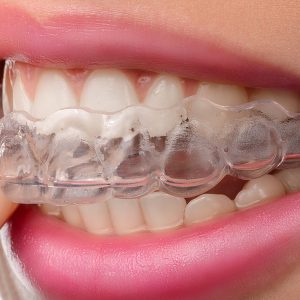
Custom oral appliances are designed to reposition the jaw or tongue slightly forward, helping keep the airway open during sleep. These devices are commonly used for mild to moderate cases or for individuals who prefer an alternative to CPAP therapy.
Lifestyle Considerations
Changes like maintaining a healthy weight, adjusting sleep position, and avoiding certain habits before bedtime may help reduce airway obstruction.
Coordinated Care
Treatment may involve collaboration between dental professionals and medical providers to ensure comprehensive management of the condition.
Patients already undergoing treatments such as orthodontic care in Smyrna may also benefit from improvements in jaw alignment that support better airflow.
Risks of Leaving Sleep Apnea Untreated
When sleep apnea is not addressed, the effects tend to accumulate over time. Repeated oxygen fluctuations and sleep disruption can gradually affect multiple body systems.
Potential long-term risks include:
- Persistent high blood pressure
- Increased likelihood of heart disease
- Higher risk of stroke
- Reduced cognitive performance
- Ongoing fatigue and reduced quality of life
Addressing the condition early can significantly reduce these risks and improve overall health stability.
Recognizing When to Seek Help
Sleep apnea symptoms are often overlooked because they occur during sleep. However, certain signs may indicate that further evaluation is needed:
- Loud or frequent snoring
- Episodes of breathing pauses during sleep
- Waking with a dry mouth or headache
- Excessive daytime tiredness
- Difficulty maintaining focus
If these symptoms are present, seeking evaluation is important. A consultation with a provider familiar with sleep apnea in Smyrna can help determine whether further testing or treatment is appropriate.
Improving Health Through Early Intervention
Managing sleep apnea is not limited to improving sleep quality. Addressing the condition can reduce strain on the heart, improve energy levels, and support overall health.
Lifestyle Dentistry works with patients to identify contributing factors and recommend appropriate solutions. Whether through evaluation, oral appliance therapy, or coordination with medical providers, early intervention plays a key role in maintaining long-term health.
Take the Next Step Toward Better Sleep and Health
If you have been experiencing disrupted sleep, persistent fatigue, or other related symptoms, it may be time to seek professional guidance.
Consulting a trusted dentist in Smyrna can help you understand your condition and explore appropriate next steps. Identifying and managing sleep apnea early can make a meaningful difference in both your sleep quality and overall health.