




7 Silent Signs of Dental Problems Most People Overlook

Many dental problems don’t start with sharp pain or obvious damage. Instead, they develop quietly over time. By the time symptoms become noticeable, the issue may already require extensive treatment. That’s why paying attention to subtle warning signs is essential.
A trusted Dentist in Cedar Park, TX can often detect early signs of dental disease long before you feel discomfort. Preventive dental care is the foundation of modern Cedar Park dentistry, helping patients maintain healthy smiles while avoiding complex procedures later.
Dental professionals emphasize that even minor changes in your mouth can signal underlying problems. For example, gum inflammation, tooth discoloration, or occasional sensitivity may seem harmless at first. However, these subtle symptoms can indicate cavities, gum disease, or enamel erosion.
Unfortunately, many people ignore these signs because they don’t cause immediate pain. Life gets busy, and routine dental visits are often postponed. However, early intervention by a dentist can save time, money, and discomfort in the long run.
Understanding these silent warning signs can empower you to take control of your oral health. Whether you visit a dental clinic in Cedar Park, recognizing the early symptoms of dental problems can help protect your smile for years to come.
Let’s explore the seven silent signs of dental problems that many people overlook.
Understanding Silent Dental Issues
Dental diseases rarely appear overnight. Most problems develop gradually as bacteria build up in the mouth. Without proper oral hygiene and professional checkups, plaque and tartar can damage teeth and gums.
The challenge is that many early dental problems are painless. Cavities, gum infections, and enamel erosion often progress silently.
Why Symptoms Are Often Ignored
There are several reasons why people overlook dental symptoms:
- Mild discomfort seems temporary
- Busy schedules delay dental visits
- Fear of dental procedures
- Lack of awareness about early warning signs
Because of this, minor issues can escalate into serious oral health conditions.
The Importance of Routine Dental Exams
Regular dental checkups from dentist near you play a vital role in preventing serious dental problems. Dentists can identify issues such as:
- Early tooth decay
- Gum disease
- Oral infections
- Bite misalignment
Preventive dentistry focuses on detecting problems before they worsen. With routine visits, professional cleanings, and early treatment, patients can maintain healthy teeth and gums for life.
Silent Sign #1: Persistent Bad Breath
Bad breath, also known as halitosis, is one of the most common yet overlooked dental warning signs. While occasional bad breath after certain foods is normal, persistent odor may indicate a deeper problem.
Common causes include:
- Bacterial buildup on the tongue
- Gum disease
- Tooth decay
- Dry mouth
When bacteria accumulate in the mouth, they release sulfur compounds that produce unpleasant odors.
When Bad Breath Signals Gum Disease
Chronic bad breath can be an early sign of periodontal disease. Gum infections occur when plaque builds up along the gumline, leading to inflammation.
Symptoms may include:
- Swollen gums
- Bleeding during brushing
- Gum tenderness
Visiting a Leander dentist promptly allows early treatment before gum disease progresses.
Silent Sign #2: Bleeding Gums While Brushing
Healthy gums should not bleed during brushing or flossing. If you notice blood in the sink regularly, it could indicate gingivitis—the earliest stage of gum disease.
Gingivitis develops when plaque accumulates along the gumline. Without treatment, it can progress into periodontitis, a serious infection that damages bone and tissues supporting the teeth.
Why Healthy Gums Should Not Bleed
Common causes of bleeding gums include:
- Poor oral hygiene
- Vitamin deficiencies
- Aggressive brushing
- Gum infection
Fortunately, gingivitis is reversible when treated early. Regular cleanings and improved oral hygiene can restore gum health.
Silent Sign #3: Tooth Sensitivity
Do you feel discomfort when drinking hot coffee or cold beverages? Tooth sensitivity is a common symptom that many people ignore.
This occurs when the protective enamel layer becomes thin, exposing the dentin underneath.
Possible Causes of Sensitivity
Tooth sensitivity can result from:
- Enamel erosion
- Cavities
- Gum recession
- Teeth grinding
Silent Sign #4: Jaw Pain or Headaches
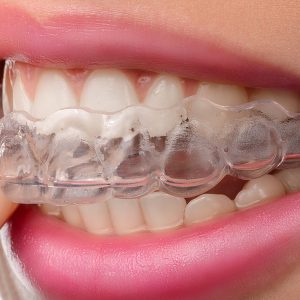
Jaw discomfort or frequent headaches may seem unrelated to dental health. However, they can indicate temporomandibular joint (TMJ) disorders or teeth grinding.
Many people grind their teeth at night without realizing it. This condition, known as bruxism, can cause:
- Jaw pain
- Tooth wear
- Morning headaches
- Facial muscle soreness
Signs of Bruxism
Symptoms include:
- Flattened teeth
- Jaw stiffness
- Clicking sounds while chewing
A dental evaluation can determine whether bruxism is causing your discomfort.
Silent Sign #5: White or Dark Spots on Teeth
Early cavities often appear as white or dark spots on tooth surfaces. These marks may indicate enamel demineralization caused by acid-producing bacteria.
At this stage, the damage is still reversible with proper care.
How Early Treatment Helps
Dentists may recommend:
- Fluoride treatments
- Improved brushing habits
- Dietary adjustments
Early intervention can stop cavity progression before a filling becomes necessary.
Silent Sign #6: Receding Gums
Gum recession occurs when the gum tissue pulls away from the teeth, exposing the roots.
This can lead to:
- Tooth sensitivity
- Higher cavity risk
- Loose teeth
Long-Term Effects
If left untreated, gum recession may lead to tooth loss. Professional periodontal treatment can help restore gum health and prevent further damage.
Silent Sign #7: Changes in Bite or Tooth Alignment
If your bite suddenly feels different or your teeth shift position, it could indicate underlying dental issues.
Possible causes include:
- Teeth grinding
- Bone loss
- Orthodontic problems
Ignoring these changes can lead to uneven tooth wear and jaw discomfort.
How Regular Dental Visits Prevent Major Problems
Routine dental visits are essential for maintaining long-term oral health. Professional cleanings remove plaque and tartar that brushing alone cannot eliminate.
Benefits of regular dental visits include:
- Early detection of cavities
- Prevention of gum disease
- Professional oral health guidance
- Improved smile appearance
Preventive dentistry reduces the risk of costly and complex treatments later.
Dental Care for Nearby Communities
Residents in and around Cedar Park have access to modern dental care services. Patients searching for a Dentist near Leander, TX often visit local clinics that provide comprehensive preventive and restorative dentistry.
Dental services are also available for nearby communities such as:
- Leander
- Jonestown
- Lago Vista
- Twin Creeks
- Jollyville
- Anderson Mill
- Brushy Creek
- Volente
- Round Rock
- Bella Vista
- Buttercup Creek
- Lakeline Mall Drive
- Deer Creek Ranch
- Travisso Community
These neighborhoods benefit from convenient access to professional dental care. Clinics like Prime Dental of Cedar Park provide preventive checkups, restorative treatments, and cosmetic services for families across these communities. If you’re looking for a reliable dental provider, visiting a local clinic ensures personalized care and ongoing oral health monitoring.
Frequently Asked Questions
1. How often should I visit a dentist?
Most dentists recommend visiting every six months for routine checkups and professional cleanings.
2. Are bleeding gums always a sign of gum disease?
Not always, but frequent bleeding during brushing or flossing may indicate gingivitis or periodontal disease.
3. What causes tooth sensitivity?
Sensitivity can result from enamel erosion, cavities, gum recession, or teeth grinding.
4. Can bad breath be a dental problem?
Yes. Persistent bad breath may be caused by bacterial buildup, gum disease, or untreated cavities.
5. Are white spots on teeth early cavities?
Often, yes. White spots may indicate early enamel damage and should be evaluated by a dentist.
6. When should I see a dentist about jaw pain?
If jaw pain lasts more than a few days or occurs with headaches or clicking sounds, you should schedule a dental evaluation.
Conclusion
Many dental problems begin quietly, without noticeable pain or discomfort. Unfortunately, ignoring these subtle symptoms can allow small issues to grow into serious oral health conditions.
Recognizing early warning signs—such as persistent bad breath, bleeding gums, sensitivity, or jaw discomfort—can make a significant difference in your long-term dental health.
Routine checkups, good oral hygiene, and early treatment are the keys to maintaining a healthy smile. Dental professionals recommend seeing a dentist regularly to detect and treat issues before they become complex.
Whether you’re seeking preventive care or treatment for specific symptoms, Prime Dental of Cedar Park offers comprehensive dental services designed to keep your smile healthy and confident.
Taking action today can prevent dental complications tomorrow. Your smile deserves proactive care.